Stay in Your Lane: How Brand Consistency Builds Loyalty
Brand loyalty doesn’t come from trends or constant reinvention. It comes from consistency. When your brand shows up in the same way every time someone encounters it, you build trust, which keeps customers coming back. This article breaks down why staying in your lane matters, which brands nail it, and how to know when you’re starting to drift.

Trust is the foundation of any relationship.
Without trust, a relationship is insecure and vulnerable to damage.
I’m sharing this piece of advice with you today not because I'm writing a self-help article (although I suppose in a way, I am) but because it directly pertains to your brand.
Your brand is the relationship you have with your customers.
When you build a brand, you build the framework of a system that can nurture that relationship — encouraging their trust, and ultimately, their loyalty.
What makes a brand trustworthy?
Think of it this way: A trustworthy brand is like a trustworthy friend. They are consistent in the way they show up, act, and behave, never wavering from their core values or beliefs.
Think of your best friend. Maybe you just met last year, or maybe you’ve been inseparable for four decades. Either way, this is a person you trust to show up in the same manner for you anytime you need them. Sure, they may experience different emotions from time to time, but their core remains the same.
Now imagine that, all of a sudden, this friend begins to show up with a different personality every time you meet up.
You start to feel anxious, because you never know which version of them you’re going to get. After trusting this person so deeply for years, this shift feels destabilizing.
Eventually, you stop hanging out with them. You have too much going on in your life to deal with unpredictability. So you set boundaries, create space, and keep your distance.
Don’t let your brand be that guy.
As a brand, you want to show up in the same way every time someone encounters you.
This will support fast recognition, which matters when people have only seconds to make a decision.
This builds confidence, because your customers will always know what to expect.
Most of all, this builds trust, which is what turns casual fans into full-blown brand advocates for years to come.
Which brands do it right?
Some brands double down on who they are — and their loyalty grows because of it.
Patagonia
Lane: Environmental responsibility at every touchpoint.
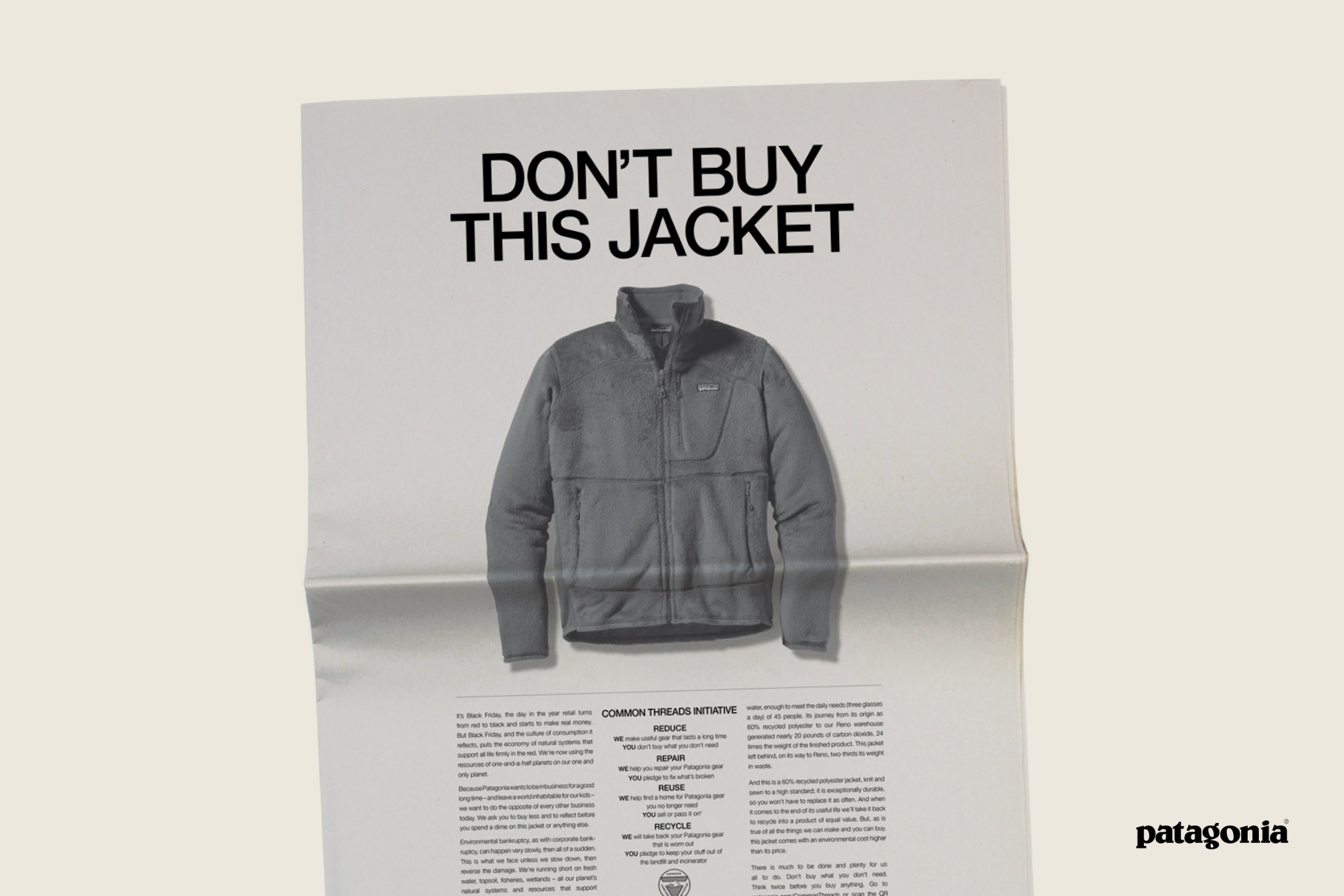
When Patagonia takes a stance, it’s always the same stance: protect the planet. They even ran the famous “Don’t Buy This Jacket” ad to encourage conscious consumption. Consistency in their values has created an almost spiritual level of loyalty among their customers. People don’t just buy Patagonia; they buy into Patagonia.
Trader Joe’s
Lane: Curated selection, private label–centric, quirky-but-consistent branding.
While every grocery store chases maximum SKUs and high-low pricing strategies, Trader Joe’s keeps its assortment tight, its stores small, and its personality playful-but-predictable. Customers trust Trader Joe’s because the experience is familiar everywhere you go.
Apple
Lane: Minimalism, ecosystem loyalty, and design-led decisions.
Apple never confuses you about who they are. High design standards. Clean lines. Closed ecosystem. Every product, store, and ad reinforces the same identity. Even when people complain about dongles, they stay, because Apple has been unwavering in its lane for decades.
Which brands were hurt by trying to pull a fast one?
Some brands panic, pivot too hard, and lose the trust they spent years building.
GAP
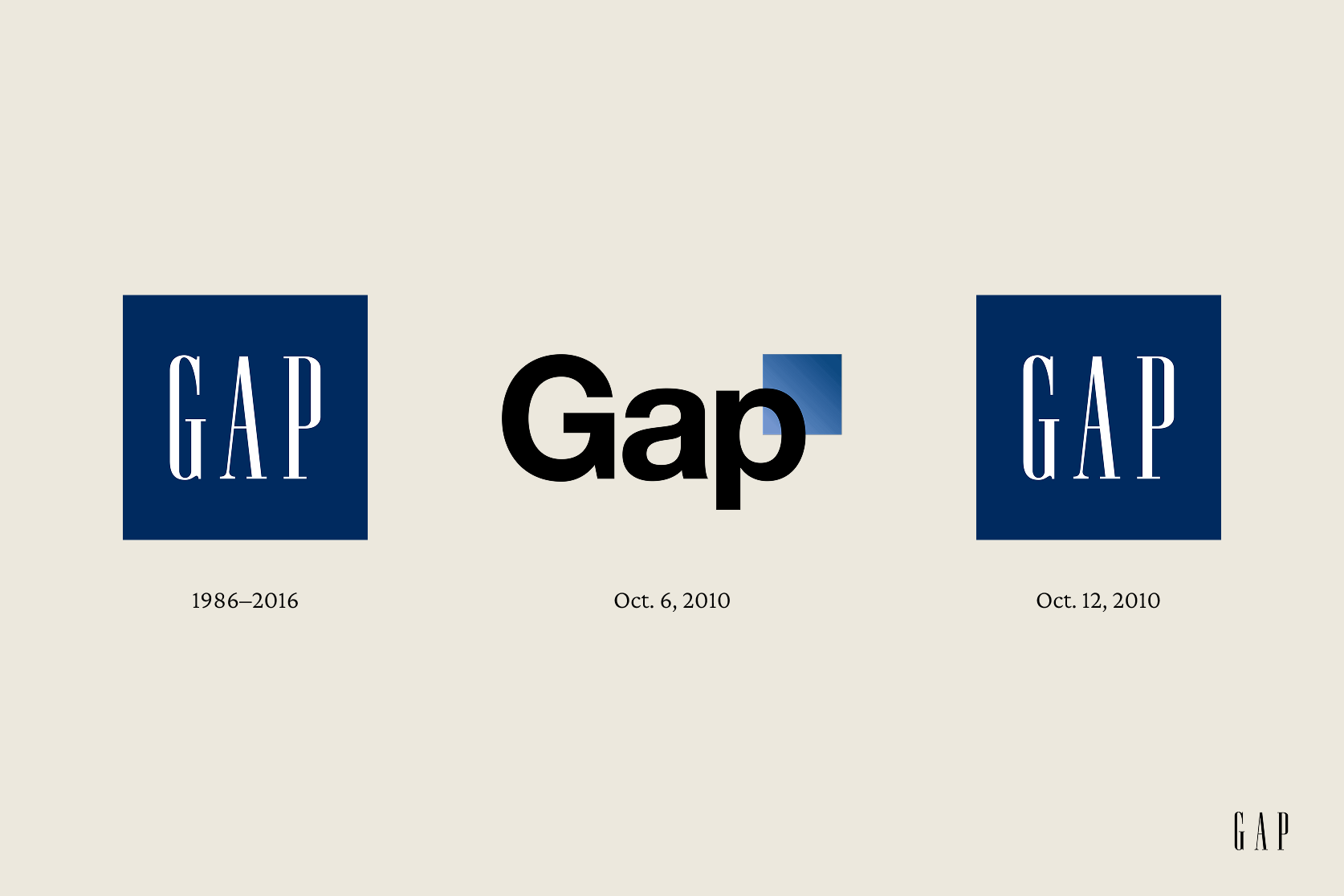
The misstep: A sudden, out-of-nowhere logo change in 2010.
What happened: They abandoned their iconic serif logo for a generic corporate-looking one, and customers revolted. The backlash was so intense that Gap restored its original logo within a week.
Lesson: Abandoning your established visual identity without purpose breaks trust instantly.
Victoria’s Secret
The misstep: Swerving from hyper-sexualized fantasy branding to empowerment messaging overnight.
What happened: After decades of projecting one identity, they switched to a new one without evolving gradually or authentically. Customers didn’t buy it, competitors swooped in, and sales tanked.
Lesson: Reinvention requires intentional evolution, not a sudden 180.
Bud Light
The misstep: A 2023 marketing pivot that was totally disconnected from core audience expectations.
What happened: Regardless of politics, the real issue was inconsistency. Bud Light had no established track record of value-driven or cause-oriented marketing. The sudden shift felt disjointed, performative, and off-brand to many long-term customers. The backlash was massive.
Lesson: Big pivots require brand equity and consistency leading up to them. (Otherwise it feels like a personality swap.)
Small pivots can break trust, too.
The examples above are big, but trust me when I tell you: your pivot doesn’t have to be dramatic to confuse your customers.
Here are some small but mighty ways brands chip away at trust over time:
• Change your logo out of nowhere, with no explanation or backstory.
• Introducing a random new font on your menus that nobody has ever seen before
• Switching all of your packaging to blue when people associate you with yellow
• Trying to be the “funny guy” on social media when people rely on you to be serious and knowledgeable
• Using chaotic, low-quality illustrations in your newsletter when your audience expects clean, minimalist iconography
I’m not trying to scare you — I’m trying to protect your validity.
So how do you know if you’re veering off-concept?
Here’s a quick gut check:
• Does this decision support our core concept, or distract from it?
• Would our customers recognize this as “very us”?
• Would our loyal guests be surprised (in a bad way)?
• Are we doing this because it serves our guests, or because we’re bored?
• Does this strengthen our brand long-term, or just scratch a short-term itch?
If you’re tempted to expand “just because,” pause. Breathe. Revisit your concept.
Your lane isn’t a limitation. It’s a promise. And every time you keep it, your guests trust you a little more.