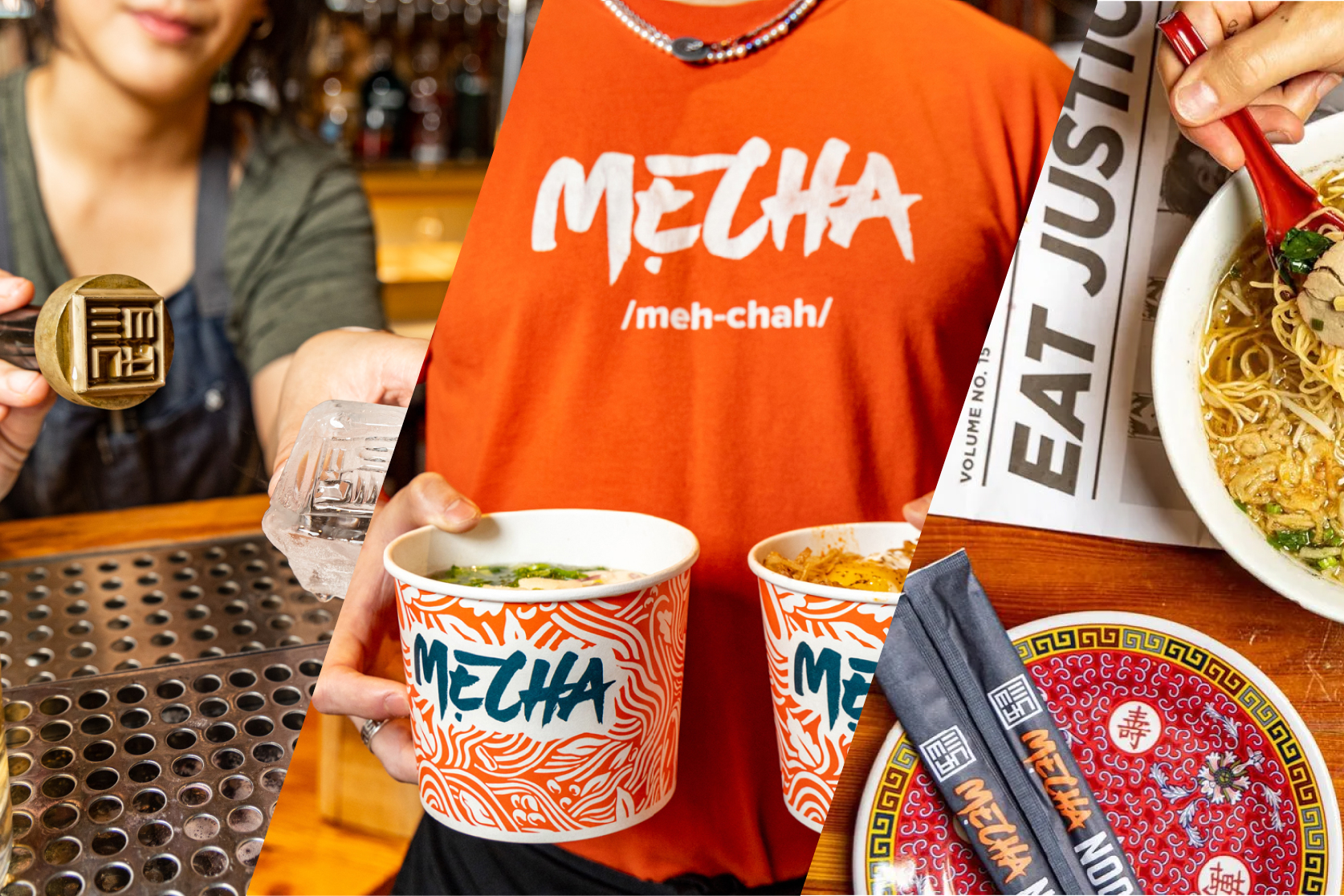
The Rebrand Scaries: What Restaurant Owners Should Know Before a Brand Refresh
As a restaurant owner, the idea of a rebrand can be scary. You spent years building your restaurant from concept into a successful business, and over time it’s become an established brand with its own look, vibe, and loyal patrons. The thought of changing any part of that can feel like a big risk. What if you lose what made it special? What if it doesn’t land and your regular customers don’t like it? What if this major investment doesn’t pay off?

Valid concerns. The only thing scarier than a brand refresh is staying the same when your business has evolved and has outgrown its branding.
As a restaurant brand agency, we get it. In fact, we have guided many hospitality-minded businesses through successful rebranding. Let’s conquer some common fears:

Fear #1: What if we lose our brand identity?
Your brand is more than a logo. It’s the experience you create, the food you serve, and the feeling guests get when they step through your doors. A thoughtful rebrand does not erase your history; it should build on it. The goal is to identify what makes your business special and find a way to communicate it more clearly, consistently, and confidently. You can evolve your identity without losing the soul of your restaurant.
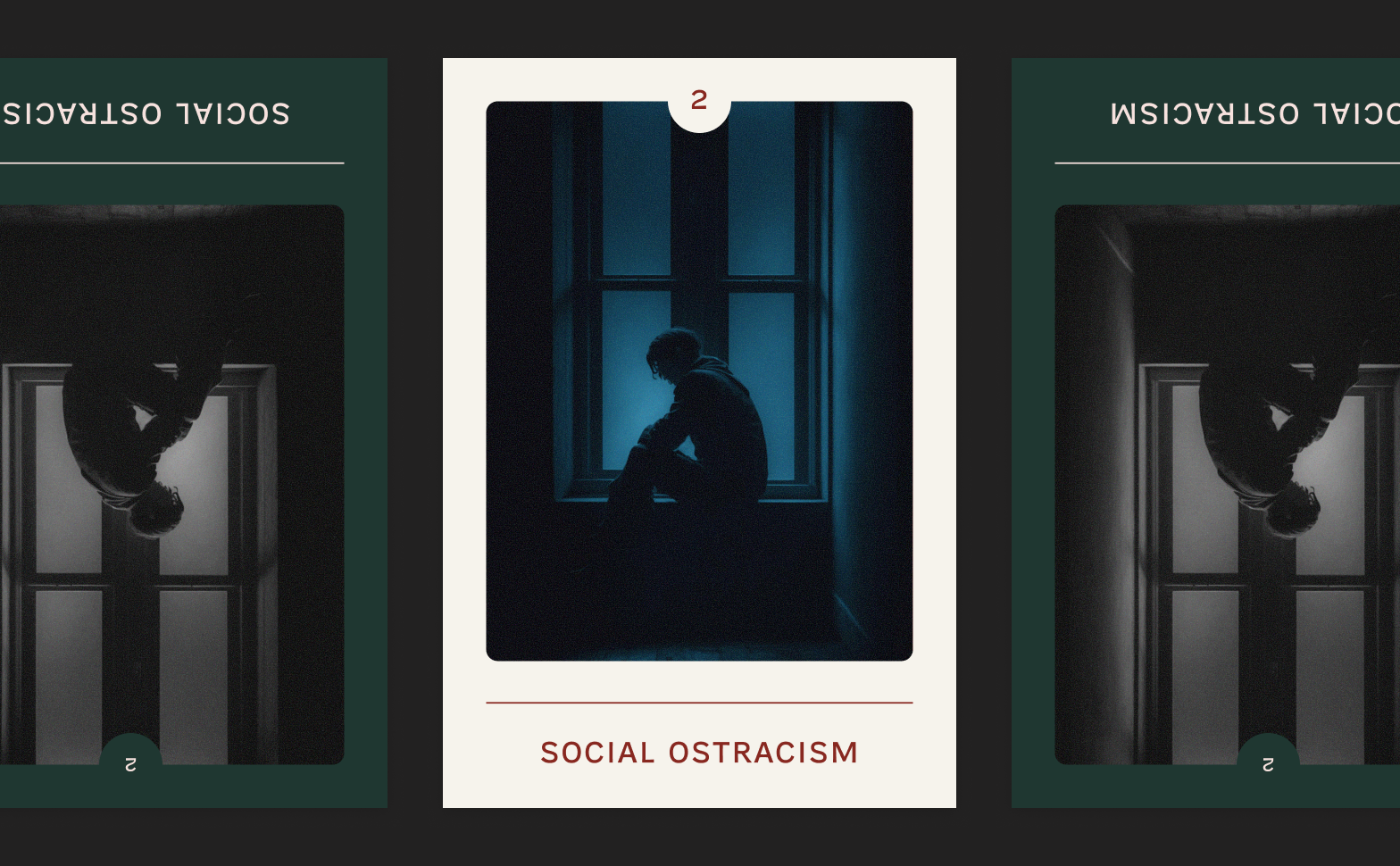
Fear #2: What if our customers don’t like the brand refresh?
Change can feel risky, especially when you’ve built a loyal customer base, but a rebrand doesn’t mean becoming unrecognizable. As your restaurant grows, your audience, offerings, and ambitions may change, too. Your brand should grow alongside them, helping longtime guests feel at home while attracting new customers who will love what you do too.
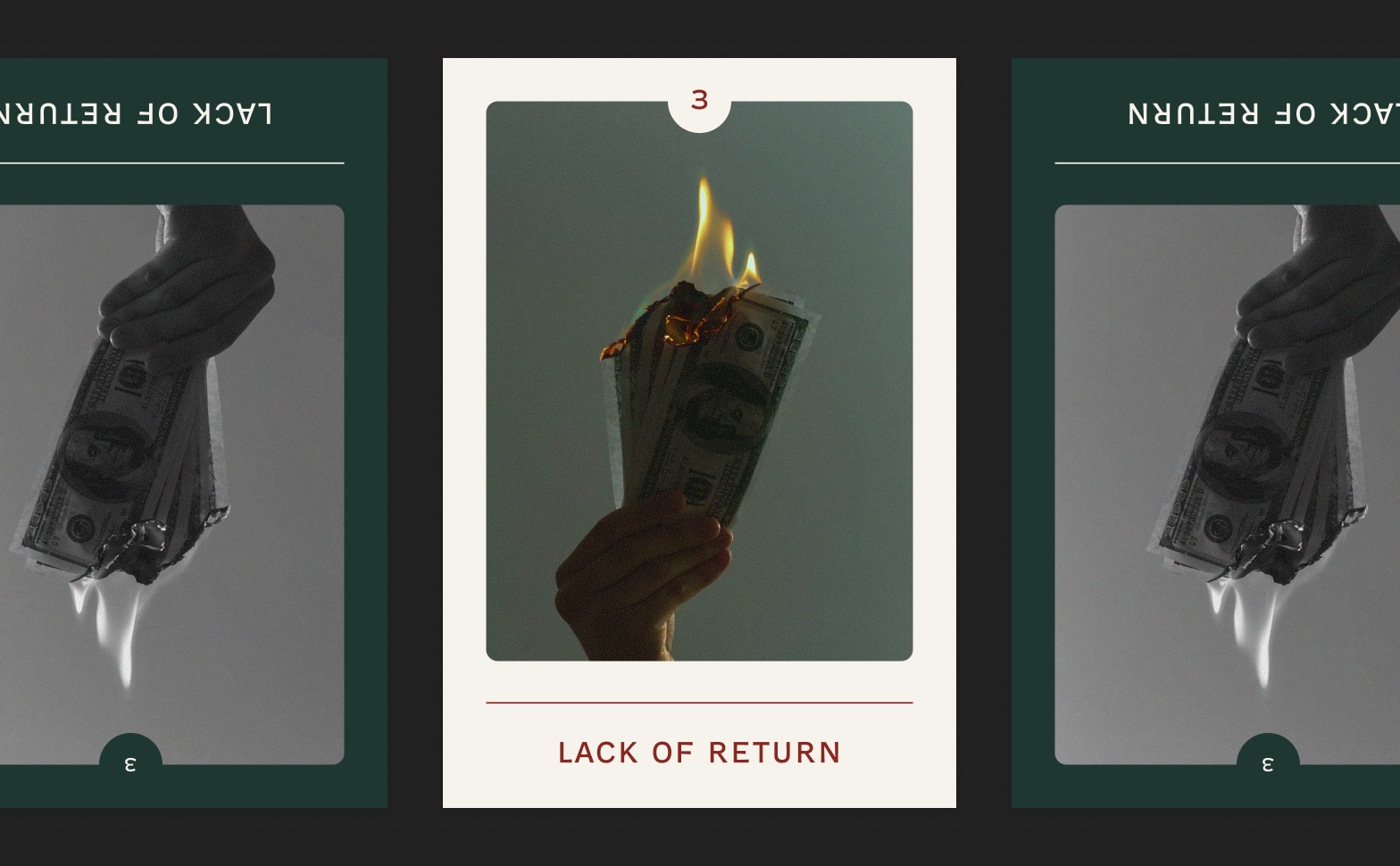
Fear #3: Is a rebrand really worth the investment?
Restaurant owners have competing priorities and tight or nonexistent marketing budgets, so branding usually gets pushed down the list. It’s easy to forget that your brand is working for you every day, from your signage and menus to your website and social media.
When those touchpoints feel disconnected, outdated, or misaligned with the quality of your experience, you could be missing opportunities to make a lasting impression.
The key is approaching branding as an investment in your business, not just a cosmetic update. A strong brand identity can help you stand out in a crowded market. When your branding reflects the quality of what you offer, it can also help support premium pricing and give customers more reasons to choose you over the competition.
A return on this investment can be immediate or felt over time. It might mean attracting new guests who discover your restaurant online, encouraging first-time visitors to become regulars, or creating a stronger base for opening a second location. It could also mean spending less time and money correcting inconsistent marketing materials or giving your team the tools to communicate your brand more effectively across every touchpoint
A strategic rebrand creates consistency, strengthens recognition, and helps communicate your value – whether you have one location or 10+ locations.

Fear #4: Where do we even start with a rebrand?
There is no need to figure it out all on your own. A rebrand should start with foundational questions: Who are you today? Who do you want to reach? What makes your restaurant different? Where is your current brand falling short?
Working with a hospitality branding agency like Box Eight helps turn those questions into a clear strategy and a cohesive identity that supports your business goals. With the right process, a rebrand becomes less overwhelming and a lot more exciting.
Don't Let the Rebrand Scaries Hold You Back
Your restaurant has a story worth telling. The right brand helps you tell it in a way that feels authentic, memorable, and true to your vision.
If your business has evolved but your brand hasn't caught up, it might be time to stop fearing change and start thinking about what's possible. A rebrand should make you feel more like yourself than you ever thought you could.
At Box Eight, we help hospitality-minded businesses build brands that feel like them, only more intentional.